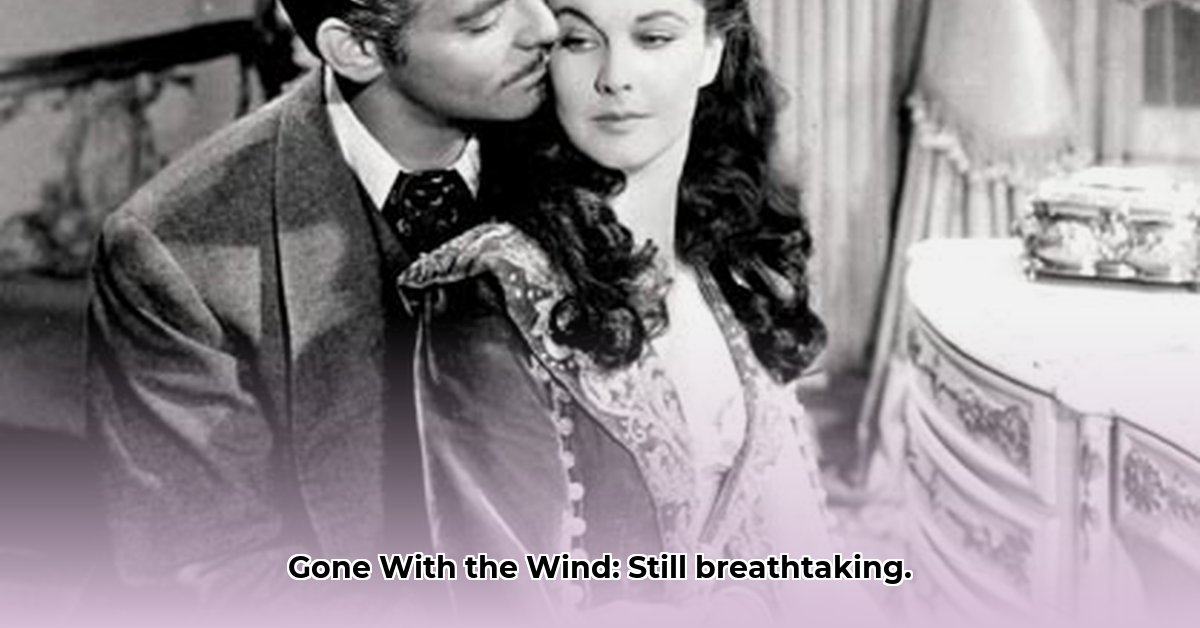
Gone With the Wind, the 1939 cinematic behemoth, remains a cultural touchstone, yet its legacy is complex and deeply contested. This isn't simply a matter of enjoying a classic film; understanding its enduring impact requires a critical engagement with its technical achievements alongside its profoundly problematic depiction of the American Civil War and slavery. This article aims to provide a balanced perspective, acknowledging the film's artistic merit while directly confronting its historical inaccuracies and harmful representations.
A Technical Triumph, Shadowed by Ethical Concerns
The film's technical brilliance is undeniable. The scale of the production, the innovative use of Technicolor (a revolutionary process for the time), and the sheer visual spectacle, particularly in scenes like the burning of Atlanta, remain breathtaking. The dedication of the cast and crew is evident, resulting in a cinematic masterpiece that pushed the boundaries of filmmaking. Yet, this stunning technical artistry is inseparable from the ethically problematic narrative it serves. This inherent tension – between aesthetic excellence and historical inaccuracy – lies at the heart of the film's enduring controversy. Did the film's stunning visuals serve to obscure, or even romanticise, the horrors of slavery? This remains a central question.
Scarlett, the War, and a Whitewashed Narrative
The narrative, adapted from Margaret Mitchell's novel, centers on Scarlett O'Hara's personal journey, relegating the experiences of enslaved people to the periphery. While the Civil War serves as the backdrop, the film prioritizes a white perspective, resulting in a distorted portrayal of the conflict and its impact. This selective focus, many argue, actively minimizes the systemic violence and oppression of slavery, presenting a biased and deeply problematic historical interpretation. How, then, can we reconcile the film’s undeniable cinematic beauty with its deeply flawed historical narrative? The answer lies in engaging with the film critically, understanding its historical context and acknowledging its problematic elements. It’s about appreciating the artistry while simultaneously condemning its historical inaccuracies.
Enduring Impact: A Double-Edged Sword
Gone With the Wind's influence on cinema is undeniable. It set a new standard for historical epics, profoundly impacting subsequent filmmaking. Its box office success and numerous Academy Awards cemented its status as a landmark film. However, this enduring popularity also highlights a disturbing reality: the film's appeal, even today, suggests a widespread acceptance, or perhaps a willful overlooking, of its profoundly flawed portrayal of a critical historical period. This popularity raises important questions about our collective understanding of history and the responsibility of audiences to engage critically with media.
Re-evaluating a Classic: Beyond Nostalgia
Modern viewers must approach Gone With the Wind with a critical eye, acknowledging both its strengths and its significant weaknesses. We must engage actively with its historical inaccuracies and harmful representations, understanding their impact on our understanding of slavery and the American South. This doesn't preclude appreciating the film's artistry; rather, it enhances our understanding and appreciation by adding context and critical depth. It's a film that encourages – indeed, demands – introspection and critical discussion.
The Ongoing Debate: Navigating Conflicting Perspectives
The film's continued presence in popular culture highlights our ongoing struggle with historical representation. Some view it as a valuable artifact, reflecting the prevailing attitudes of its time, while others condemn its romanticized portrayal of the antebellum South and its minimization of the brutal realities of slavery. This ongoing debate reflects diverse interpretations and perspectives, highlighting the film's lasting power to spark essential conversations about history, representation, and the ethical responsibility of filmmakers and audiences.
A Call for Nuanced Understanding
Gone With the Wind is more than just a movie; it’s a complex cultural artifact. It compels us to examine our relationship with historical narratives, the responsibilities of storytelling, and the enduring impact of biased representations. As such, the film continues to evolve in its meaning as societal perspectives evolve and the complexities of its narrative continue to be unpacked. It is a catalyst for crucial conversations about how we remember and represent the past.
Key Takeaways:
- Gone With the Wind's cinematic achievements are undeniable, but its portrayal of slavery is deeply problematic and historically inaccurate.
- The film perpetuates harmful stereotypes and minimizes the systemic violence and brutality of slavery.
- Critical analysis requires understanding both the film's historical context and its ongoing cultural impact.
- Modern viewings should actively challenge the film's problematic elements and engage with its complex legacy.
- The film serves as a powerful case study in the ethical considerations surrounding historical representation in film.